FIFA World Cup 2026 Nutrition: Post-Match Recovery, Hydration and What Footballers Do After the Final Whistle
The cameras may stop rolling after the final whistle, but for elite footballers, recovery has already begun.
As the FIFA World Cup 2026 approaches, fans will see players push their bodies through repeated sprints, physical challenges and intense periods of concentration. Yet one of the biggest factors influencing performance in the next training session or match often happens away from the stadium lights.
Recovery.
Professional footballers do not simply finish a game and hope soreness disappears overnight.
Their post-match routines are usually carefully planned and may include hydration, nutrition, recovery treatments and targeted supplementation designed to support muscle repair, replenish energy and prepare the body for future performance.
The good news?
You do not need to play in a World Cup final to learn from these strategies.
Whether you train regularly, play recreational football or simply struggle with fatigue and recovery in everyday life, many of these principles may help support your wellbeing too.
Why Post-Match Recovery Matters
Football places significant demands on the body.
Repeated accelerations, physical contact, rapid changes in direction and prolonged exertion can contribute to muscle fatigue, glycogen depletion, fluid loss and inflammation.
Recovery is not only about reducing soreness.
It is about helping the body restore energy, repair tissues and support performance over time.
Sports nutrition guidance recognises recovery nutrition as an important component of athletic performance and long-term health (Thomas, Erdman and Burke, 2016).
What Footballers Do Immediately After the Final Whistle
One of the biggest misconceptions about recovery is that it begins hours later.
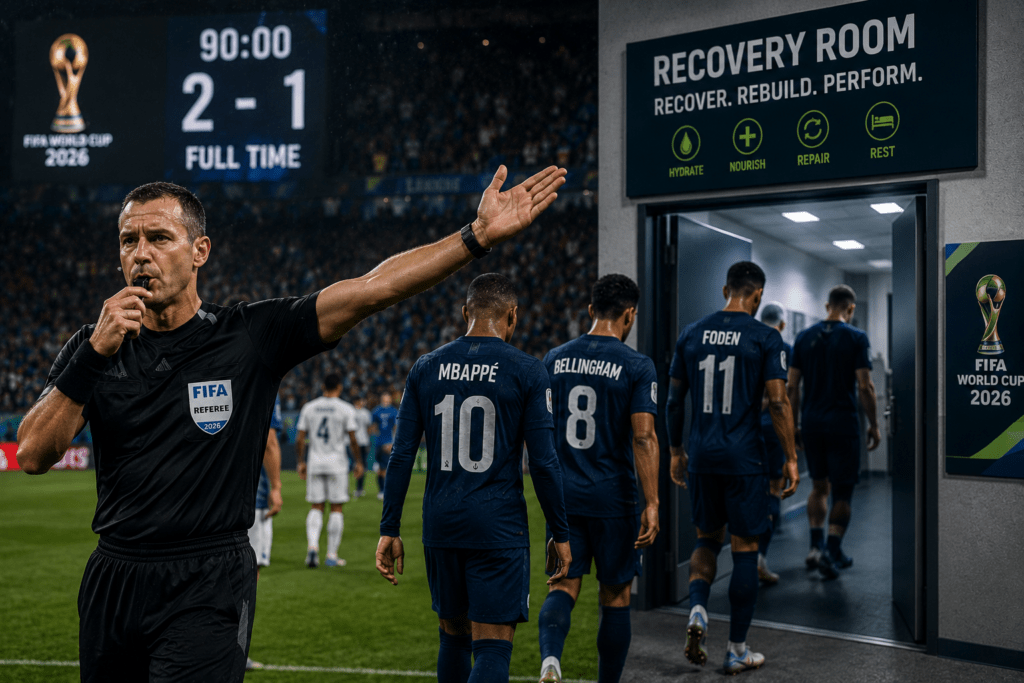
In reality, many footballers begin their recovery routine almost immediately after the match.
At FIFA World Cup level, post-match recovery commonly starts with:
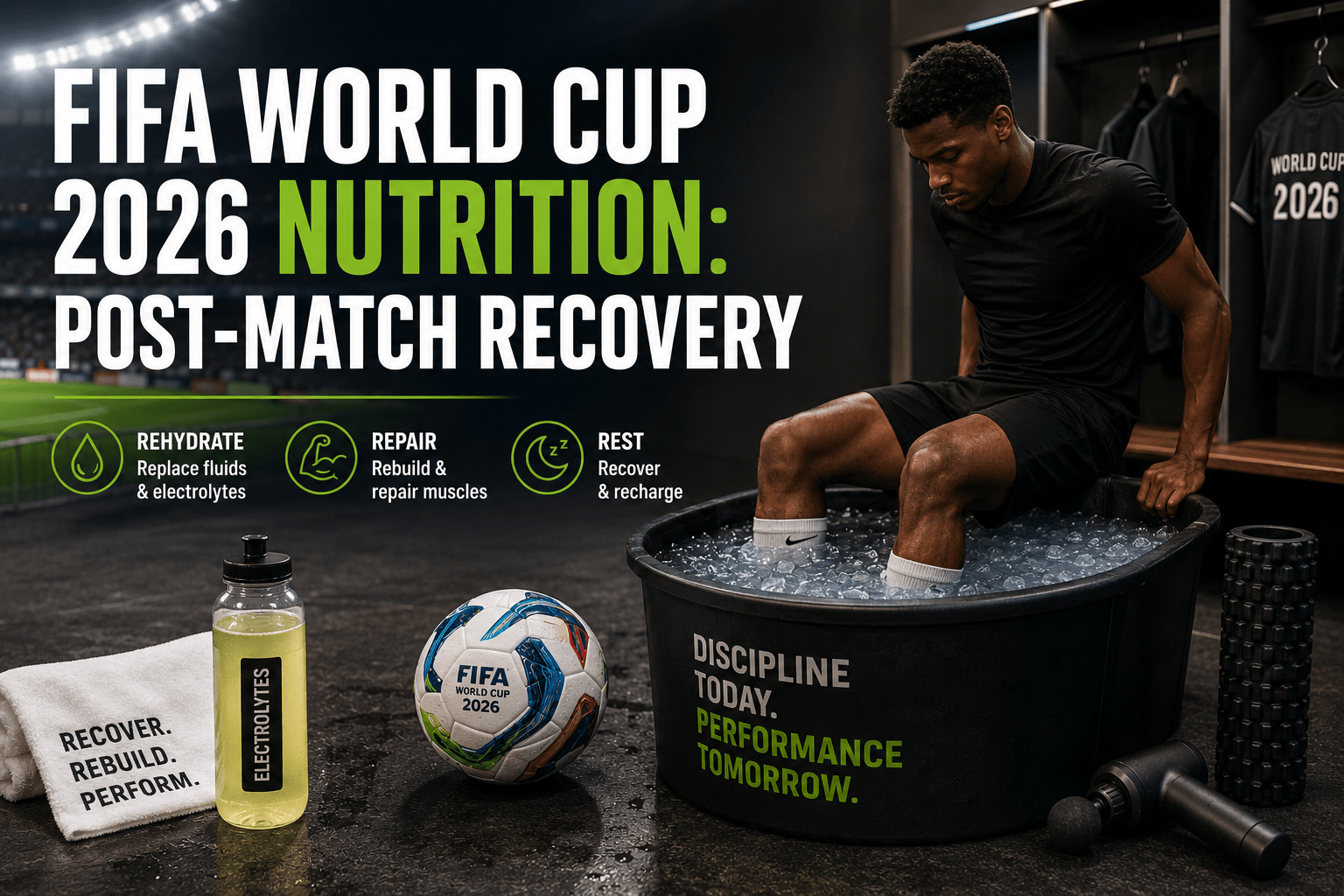
• Hydration and fluid replacement
• Recovery drinks or snacks
• Light movement or walking
• Physiotherapy or medical assessment
• Cooling strategies such as ice baths
• Recovery meals and rest
The aim is simple:
Begin replacing what the body has used while supporting recovery as early as possible.
Hydration Comes First
One of the first priorities after football is often rehydration.
Players may lose substantial amounts of fluid through sweating, particularly during intense matches or warmer conditions.
Even mild dehydration may affect physical and cognitive performance.
The American College of Sports Medicine recommends replacing fluids lost during exercise and beginning recovery appropriately hydrated (Sawka et al., 2007).
This is why footballers frequently focus on:
• Drinking fluids soon after the match
• Replacing sweat losses
• Rehydrating steadily
• Including electrolytes where appropriate
Water remains essential, but it is not always the entire picture.
Sweat also contains electrolytes such as sodium, which may require replacement after prolonged or intense activity.
This is one reason electrolyte drinks and recovery fluids are commonly used within professional sport.
Replacing Energy Stores
After a demanding match, one of the body’s priorities is replenishing glycogen.
During football, muscles rely heavily on glycogen as fuel. Once depleted, fatigue and reduced performance may follow.
Research highlights the role of post-exercise carbohydrate intake in supporting glycogen restoration and recovery (Burke et al., 2011).
For this reason, footballers often consume carbohydrate-rich meals after competition.
Common recovery foods may include:
• Rice or pasta dishes
• Potatoes
• Wraps or sandwiches
• Fruit
• Oats
• Recovery smoothies
Many teams encourage recovery nutrition within the first few hours after exercise.
Recovery does not need to be complicated.
Often, it is simply well timed.
Protein and Muscle Recovery
Carbohydrates help restore fuel.
Protein helps support post-match muscle and tissue repair.
Football places considerable stress on muscle tissue, creating microscopic damage that the body must repair and adapt from.
Dietary protein provides amino acids needed to support this process.
The International Society of Sports Nutrition recognises protein as important for exercise recovery and muscle repair (Jäger et al., 2017).
This is why footballers commonly include:
• Chicken
• Fish
• Eggs
• Dairy foods
• Greek yoghurt
• Lean meats
• Protein-based recovery drinks
Many recovery meals combine carbohydrates and protein together.
Examples include:
• Chicken and rice
• Salmon with potatoes
• Protein smoothie with fruit
• Yoghurt with oats and berries
Professional recovery is often less glamorous than people expect.
It is usually built on consistent basics.
Supplements Footballers May Use for Recovery
Supplements often receive considerable attention in sport particularly relating to post-match recovery.
However, most professional recovery plans still prioritise food, hydration and sleep first.
Supplements may be used to support these foundations rather than replace them.
Electrolytes are commonly used following heavy sweating to support hydration and mineral replacement.
Protein powders may offer convenience when meals are not immediately available.
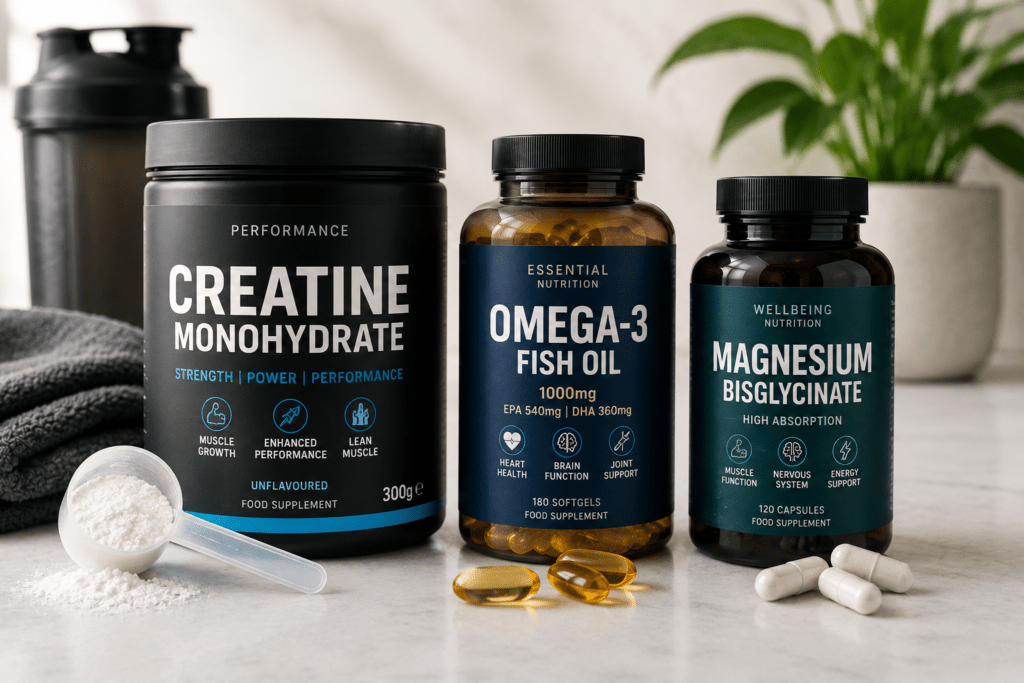
Creatine is widely researched and often included within broader performance strategies involving repeated high-intensity exercise.
Omega-3 fats and tart cherry products are sometimes discussed in relation to inflammation and recovery, although research findings remain mixed and nutrition should remain the priority.
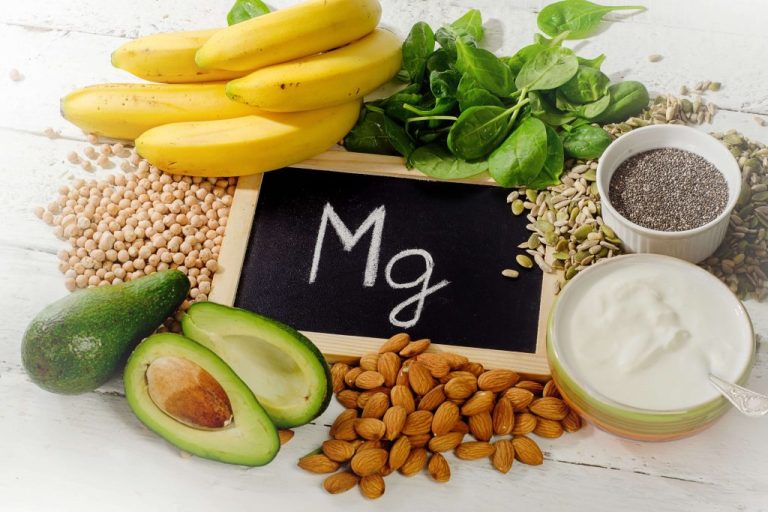
Magnesium is also frequently mentioned within recovery conversations due to its relationship with muscle function and sleep, although supplementation is not automatically necessary for everyone.
As with nutrition itself, supplementation is rarely one-size-fits-all.
What About Ice Baths, Massage and Compression?
Recovery treatments are common within elite football environments, although evidence varies.
Cold Water Immersion and Ice Baths
Ice baths have become strongly associated with elite football.
Some players use cold water immersion after matches with the aim of supporting recovery and reducing soreness.
Research findings remain mixed, yet cold water immersion continues to be widely used in professional sport.
Massage and Physiotherapy
Massage and physiotherapy are commonly used to help manage mobility, tightness and recovery routines.
While massage may not instantly remove muscle soreness, many athletes report improvements in comfort and perceived recovery.
Compression Garments
Compression clothing is frequently worn following matches.
Some evidence suggests potential benefits for soreness and perceived recovery, although findings vary.
Active Recovery
Many footballers avoid remaining completely sedentary after competition.
Walking, mobility work or gentle cycling are sometimes used to support circulation and movement.
Sleep
Perhaps the most overlooked recovery strategy of all is sleep.
Sleep supports physical recovery, hormone regulation and muscle repair, which is why elite athletes often place considerable emphasis on sleep routines following competition.
Recovery Is Personal
One of the biggest lessons we can learn from FIFA World Cup 2026 recovery strategies is this:
Elite footballers rarely rely on generic advice.
Their nutrition, hydration and recovery routines are often personalised to their body, training demands and health needs.
The same principle applies outside professional sport.
Many people struggle with fatigue, poor recovery, bloating, digestive symptoms or fluctuating energy levels while following generic nutrition advice that may not reflect what their body actually needs.
At Vitamin Beth, we take inspiration from the same principle elite athletes use — personalised support.
Rather than relying on one-size-fits-all plans, our approach looks at the potential root causes behind symptoms using personalised nutrition, functional testing and science-informed support.
Because recovery is not only about recovering from football.
It is also about recovering from modern life.
Whether you are dealing with digestive discomfort, skin concerns, low energy or simply feel that your body is not functioning at its best, understanding what may be driving those symptoms is often the first step toward long-term wellbeing.