
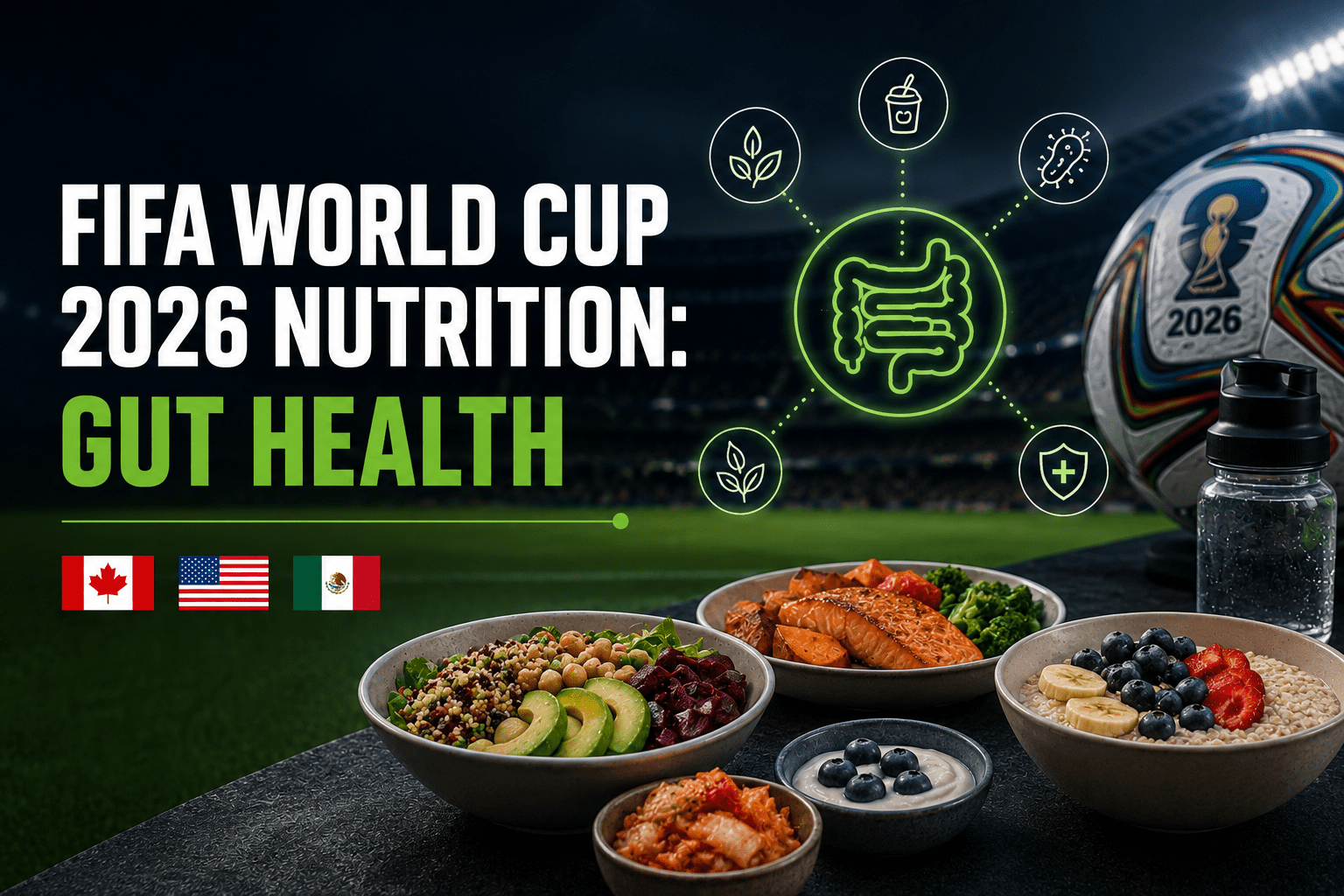
FIFA World Cup 2026 will showcase some of the fittest athletes in the world, but elite performance is not only built on training. What footballers eat before matches, after matches and throughout a tournament can influence energy, recovery, digestion, concentration and resilience.
While most of us are not preparing for a World Cup, the same principles can still teach us a lot about everyday energy, gut health and long-term wellbeing.
Why Nutrition Matters for Footballers
Football is physically demanding. Players sprint, change direction, jump, tackle, recover and repeat this effort for up to 90 minutes or more. During a major tournament like the FIFA World Cup, recovery time can also be limited, which makes nutrition even more important.
Good nutrition helps support:
- Steady energy levels
- Muscle recovery
- Hydration and electrolyte balance
- Digestive comfort
- Immune function
- Mental focus and concentration
This is why professional footballers do not simply “eat healthy”. Their food is usually planned around training, match timing, recovery and individual tolerance.
What Do Footballers Eat Before a Match?
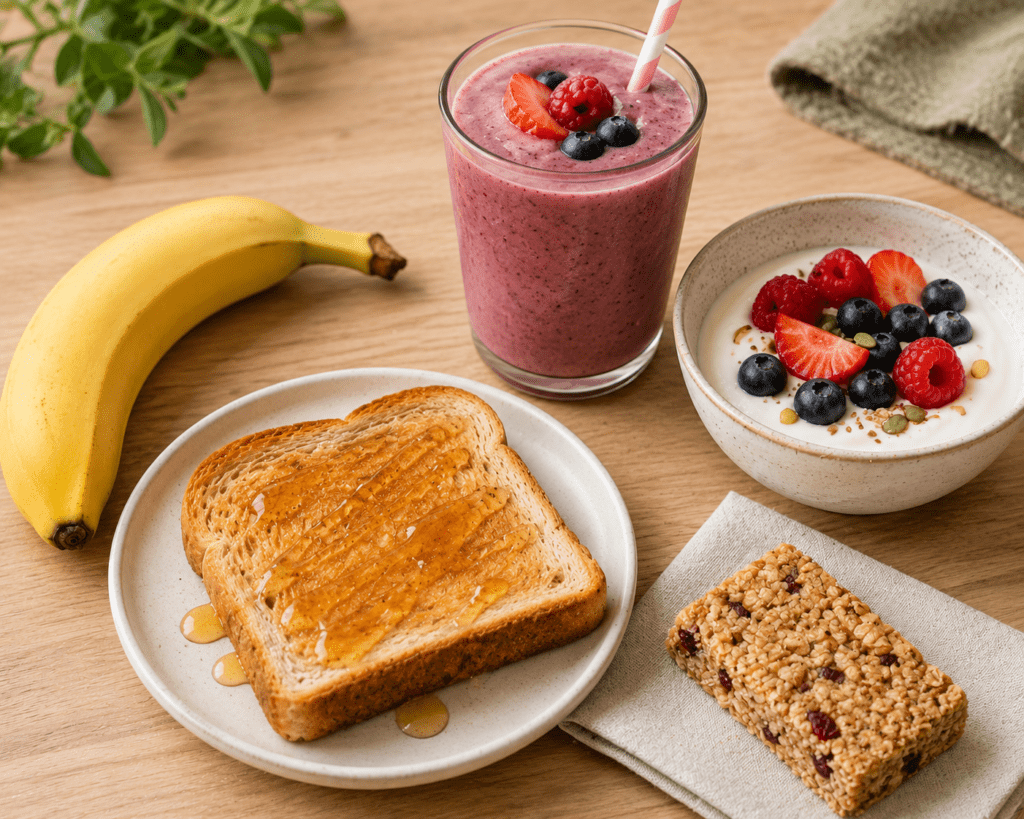
Before a match, the main goal is to provide the body with enough fuel without causing digestive discomfort. This usually means a meal based around carbohydrates, with moderate protein and lower amounts of fat and fibre close to kick-off.
Common pre-match meals may include:
- Chicken with rice or potatoes
- Pasta with lean protein
- Porridge with fruit and yoghurt
- Toast with honey or banana
- Smoothies made with fruit and yoghurt
The key is not just what they eat, but when they eat it. Eating too close to kick-off, or choosing foods that are too heavy, can leave players feeling sluggish, bloated or uncomfortable.
What Do Footballers Eat After a Match?
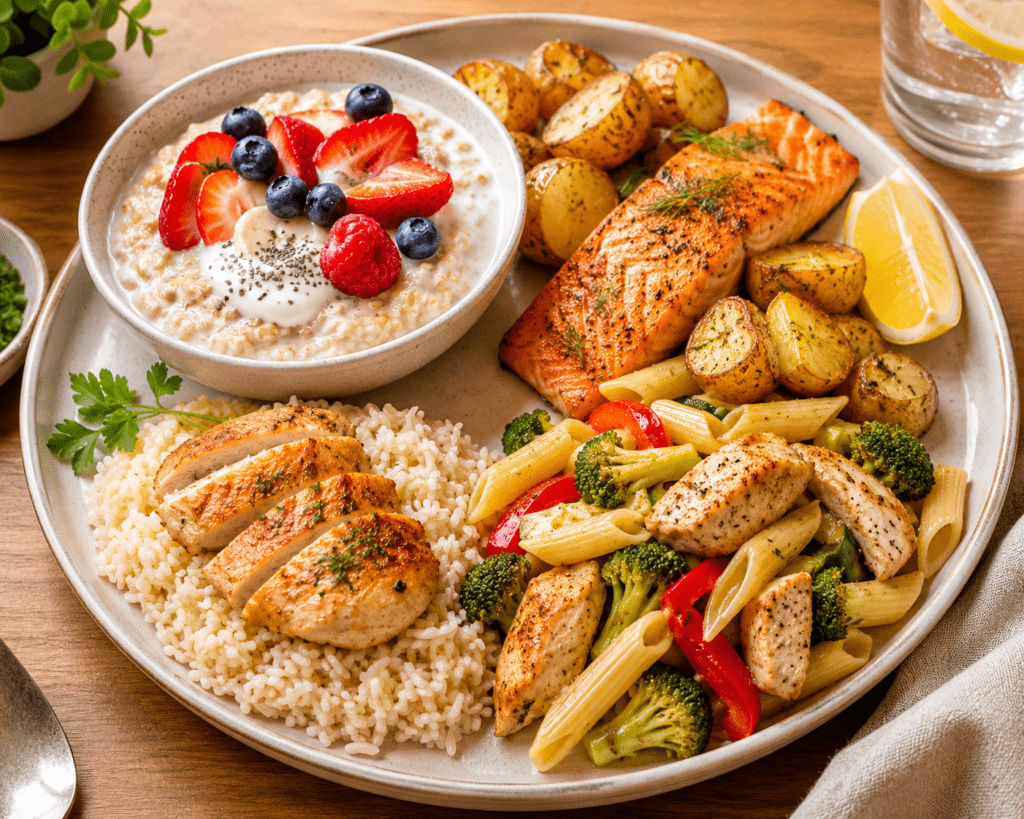
After a match, the focus shifts from fuelling performance to supporting recovery. The body needs to replenish energy stores, repair muscle tissue and restore fluid balance.
A good post-match recovery meal usually includes:
- Carbohydrates to replace used energy
- Protein to support muscle repair
- Fluids to rehydrate
- Electrolytes such as sodium, potassium and magnesium
- Anti-inflammatory foods such as oily fish, berries, olive oil and colourful vegetables
Examples could include salmon with potatoes and vegetables, chicken with rice and salad, or a smoothie with yoghurt, fruit and protein.
Why Gut Health Matters in Football
Gut health is often overlooked in sport, but it can have a major impact on how someone feels and performs. Digestive symptoms such as bloating, urgency, cramps, nausea or diarrhoea can affect comfort, confidence and energy.
This matters because the gut is involved in:
- Breaking down and absorbing nutrients
- Supporting immune function
- Managing inflammation
- Producing and regulating key signalling compounds
- Influencing energy, mood and stress resilience
For athletes, even mild digestive issues can become disruptive. For everyday people, ongoing gut symptoms can also affect skin health, energy, mood and quality of life.
Footballers Who Have Struggled With Gut Health
Darren Fletcher and Ulcerative Colitis
Former Manchester United and Scotland midfielder Darren Fletcher has publicly spoken about being diagnosed with ulcerative colitis in 2011. His condition disrupted part of his playing career and highlighted how serious digestive health conditions can affect even elite athletes.
His story is a powerful reminder that gut health is not a small issue. When the digestive system is inflamed or not functioning well, it can affect strength, stamina, recovery and day-to-day life.
Jack Fitzwater and Colitis
Professional footballer Jack Fitzwater has also spoken publicly about living with colitis and how difficult it was to manage symptoms while playing football. His experience shows how digestive symptoms can become physically and emotionally challenging, especially when someone feels they have to hide what they are going through.
These examples are not included to suggest that every digestive symptom is a serious medical condition. However, they do show why gut symptoms should not be ignored, especially when they are persistent, worsening or affecting daily life.
What Everyday People Can Learn From Footballers
You do not need to be preparing for the FIFA World Cup to benefit from better nutrition. Many people struggle with low energy, poor digestion, skin flare-ups, bloating or difficulty recovering from exercise, and food can play a major role.
The main lessons are simple:
- Eat enough to support your body’s demands
- Choose meals that suit your digestion
- Prioritise protein, fibre, healthy fats and colourful plant foods
- Hydrate properly
- Do not ignore ongoing gut symptoms
- Look for the root cause rather than only managing symptoms
Could Your Gut Health Be Affecting Your Energy or Skin?
At VitaminBeth, I often work with clients who feel like their symptoms are disconnected. They may have bloating, food sensitivities, fatigue, acne, rosacea, eczema or hormonal symptoms, without realising that gut health can be one of the underlying factors.
If your digestion is not working well, your body may struggle to absorb nutrients, regulate inflammation and support healthy skin from within.
That is why my approach focuses on root causes. Rather than simply chasing symptoms, I look at nutrition, gut health, lifestyle, testing where appropriate, and personalised support to help the body work better as a whole.
Final Thoughts
FIFA World Cup 2026 nutrition is not just about what footballers eat before a match. It is a reminder that food can influence energy, digestion, recovery and resilience.
Elite athletes take nutrition seriously because small changes can make a big difference. The same is true for everyday health. Whether your goal is clearer skin, better digestion, more energy or improved wellbeing, the food you eat — and how well your body uses it — matters.
Struggling With Gut or Skin Symptoms?
If you are dealing with bloating, digestive discomfort, acne, rosacea, eczema or low energy, personalised nutritional therapy can help you understand what may be driving your symptoms.

Stress and Acne: Can Stress Cause Breakouts?
Stress does not appear to be the sole cause of acne, but it may worsen breakouts in some people. Explore the stress–skin connection and practical ways to support both.
What Causes Acne?
Acne is rarely caused by one thing. This guide explains the main causes of acne and how hormones, inflammation, gut health, diet, stress, skincare and lifestyle may all contribute.

Acne Treatments & Skincare: What Actually Helps!
Table of Contents VitaminBeth Guide Estimated reading time: 10–12 minutes Reviewed by Beth Mulvey, Registered Nutritional Therapist Acne Treatments & Skincare: What Actually Helps Acne-Prone Skin? Acne skincare can feel…