📚 VitaminBeth Guide
⏱️ Estimated reading time: 8–10 minutes
👩⚕️ Reviewed by Beth Mulvey, Registered Nutritional Therapist
Iron and Acne: Can Low Iron Affect Your Skin?
Could your iron levels be playing a role in your acne?
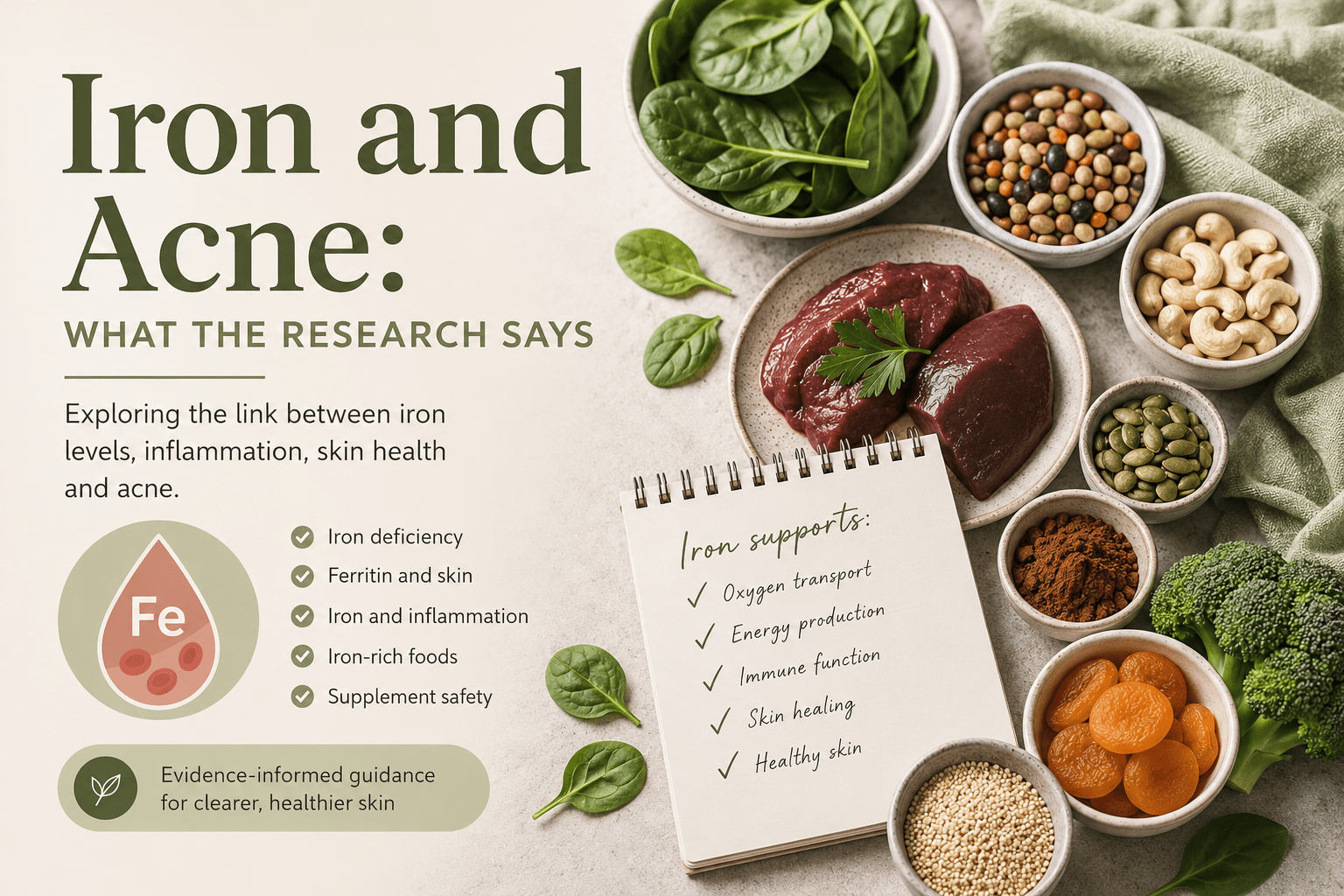
Iron is an essential mineral involved in oxygen transport, energy production, immune function and tissue repair.
Because acne can involve inflammation, skin healing, immune activity, hormones and overall nutrient status, it is
understandable that some people wonder whether low iron could be contributing to their breakouts.
However, the relationship between iron and acne is not straightforward.
While some research has explored iron status, ferritin levels and nutritional deficiencies in people with acne, there
is currently not enough evidence to say that low iron directly causes acne or that taking iron supplements will
improve acne for everyone.
This guide explains what iron does, how iron status may relate to skin health, what the research says, when testing
may be worth considering, food sources and why iron supplements should never be taken without a clear reason.
💡 In Plain English
Iron helps your body transport oxygen, produce energy and support normal immune function. Low iron may affect your
overall health, but acne alone does not mean you need an iron supplement.
✅ Key Takeaways
- Iron supports oxygen transport, energy production, immune function and tissue repair.
- Low iron has been studied in relation to acne, but it has not been proven to directly cause acne.
- Iron may be worth exploring if acne appears alongside symptoms such as fatigue, heavy periods, hair shedding
or poor recovery.
- Ferritin can provide useful information about iron stores, but results should be interpreted alongside
symptoms and other markers.
- Iron supplements should not be taken “just in case” because too much iron can be harmful.
- Acne usually involves multiple contributing factors rather than one nutrient alone.
What Does Iron Do in the Body?
Iron is an essential mineral that plays several important roles throughout the body.
One of its best-known functions is helping produce haemoglobin, the protein inside red blood cells that carries oxygen
from the lungs to tissues throughout the body.
Iron is also involved in:
- Energy production
- Immune system function
- Brain function and concentration
- Normal cell growth and repair
- Muscle function
- Healthy skin and tissue maintenance
When iron levels are low, the body may have less capacity to transport oxygen efficiently and support normal repair
processes.
Some people with low iron may experience:
- Tiredness or low energy
- Shortness of breath
- Dizziness or light-headedness
- Poor concentration
- Feeling unusually cold
- Hair shedding
- Pale skin
- Headaches
Iron status is commonly assessed using blood markers such as haemoglobin, ferritin, serum iron and transferrin
saturation.
Ferritin is particularly useful because it reflects stored iron, although it can also increase during inflammation.
This means it should be interpreted alongside symptoms and other results rather than viewed in isolation.
💡 In Plain English
Ferritin gives an indication of your body’s stored iron. It can be helpful information, but one number alone does
not explain the full picture of your health or your acne.
Can Low Iron Cause Acne?
At present, there is not enough evidence to say that low iron directly causes acne.
Acne is a complex inflammatory skin condition influenced by several factors, including:
- Hormone activity
- Sebum production
- Skin cell turnover
- Inflammation
- Skin microbiome changes
- Stress
- Sleep
- Diet and nutrient status
- Genetics
However, iron status may still be relevant for some people.
Iron supports oxygen delivery, immune function and tissue repair, which are all important for maintaining healthy
skin.
If someone has acne alongside symptoms such as fatigue, heavy periods, hair shedding, dizziness or poor recovery,
exploring iron status may be worthwhile.
🔬 Research Snapshot
- Research has explored possible links between iron status and acne.
- Some studies have reported differences in iron markers among people with acne.
- These findings do not prove that low iron causes acne.
- Correcting low iron may support general health, but it is not guaranteed to resolve acne.
Iron, Ferritin and Acne: What Should You Know?
Ferritin is one of the most commonly used markers when assessing iron stores.
Low ferritin may indicate that the body’s iron reserves are reduced, sometimes before anaemia develops.
Some research has explored whether people with acne may have altered ferritin or iron levels. However, interpreting
this research requires caution.
Finding that two things occur together does not necessarily mean one causes the other.
For example, someone with acne and low ferritin may also have:
- Heavy menstrual bleeding
- A restrictive diet
- Digestive issues affecting absorption
- Low intake of iron-rich foods
- Other nutrient deficiencies
- Higher levels of inflammation
💡 In Plain English
Low ferritin may be an important clue, but it is not automatically the explanation for acne. Your symptoms, diet,
lifestyle and overall health picture all matter.
How Could Low Iron Affect Skin Health?
Iron may influence skin health indirectly through several important processes within the body.
One of iron’s main roles is supporting oxygen transport. Healthy oxygen delivery helps tissues function properly,
including the processes involved in repair and regeneration.
Iron also contributes to normal immune function. Since acne involves inflammatory activity within the skin,
maintaining good overall nutrient status may help support the body’s ability to regulate inflammation.
Low iron can also affect energy levels and wellbeing. When someone is experiencing fatigue, poor concentration or
reduced resilience, it may become harder to maintain consistent habits that support skin health, such as balanced
nutrition, quality sleep and stress management.
However, it is important to keep perspective.
Low iron is not considered a primary cause of acne, and improving iron status will not necessarily resolve breakouts
if other factors are driving the condition.
🌿 Good to Know
Iron may be one piece of the acne picture, particularly when low iron symptoms are present, but acne usually
requires a wider assessment involving hormones, inflammation, lifestyle, diet and skin health.
Who Is More Likely to Have Low Iron?
Iron deficiency can occur when the body does not have enough iron coming in through the diet, loses more iron than it
replaces, or is unable to absorb iron effectively.
Some people may be more likely to experience low iron, including those who:
- Have heavy or prolonged menstrual periods
- Are pregnant or recently postpartum
- Follow a vegetarian or vegan diet without careful planning
- Have a low intake of iron-rich foods
- Have digestive conditions affecting absorption
- Have coeliac disease or inflammatory bowel disease
- Have ongoing gut symptoms
- Train heavily or have increased physical demands
- Have previously experienced low ferritin or iron deficiency
If acne appears alongside digestive symptoms, fatigue or signs of nutrient depletion, it may be worth exploring
whether digestion, absorption or dietary intake could be contributing.
You may also find these guides helpful:
Can Gut Health Cause Acne?
and
The Gut-Skin
Axis
Iron-Rich Foods
Food is usually the best place to start when considering iron intake.
Iron is found in both animal and plant foods, but the type of iron differs.
Haem iron is found in animal foods and is generally absorbed more efficiently.
Non-haem iron is found in plant foods and can still contribute significantly to intake, especially
when combined with vitamin C-rich foods.
🥩 Haem Iron Sources
- Red meat
- Liver (in moderation due to high vitamin A content)
- Poultry
- Fish and shellfish
- Eggs
🌱 Plant-Based Iron Sources
- Lentils
- Beans
- Tofu and tempeh
- Pumpkin seeds
- Leafy green vegetables
- Fortified cereals
🍓 Support Iron Absorption
- Red peppers
- Citrus fruits
- Berries
- Kiwi
- Broccoli
Vitamin C can help improve absorption of plant-based iron, so pairing foods together can be a useful strategy.
For example:
- Lentils with peppers or tomatoes
- Spinach with lemon juice
- Beans alongside vitamin C-rich vegetables
If you are exploring how diet may influence acne more broadly, you may also find:
Foods That May Trigger Acne
useful.
Should You Take Iron Supplements for Acne?
Iron supplements should not be taken specifically for acne unless there is a clear reason that iron status needs
addressing.
Unlike some nutrients where people commonly trial supplements, iron requires more caution because excessive intake can
be harmful.
Iron supplementation may be appropriate when there is:
- Confirmed iron deficiency
- Iron deficiency anaemia
- Low ferritin requiring correction
- Increased nutritional requirements
- Professional guidance recommending supplementation
If low iron is corrected, this may support:
- Energy levels
- Oxygen transport
- Immune function
- General wellbeing
- Normal tissue repair
However, improving iron status does not guarantee acne improvement.
If acne is mainly influenced by hormones, insulin signalling, stress, gut health, skincare or inflammation, iron
supplementation may not address the main driver.
⚠️ Supplement Safety: Iron
Iron is one of the nutrients where both deficiency and excess can cause problems.
Do not take iron supplements “just in case” or because of acne alone.
Too much iron may contribute to:
- Constipation
- Nausea
- Stomach discomfort
- Oxidative stress
- Iron overload in susceptible individuals
Extra caution is needed if you:
- Have haemochromatosis
- Have high ferritin levels
- Have liver disease
- Have unexplained high iron markers
- Are taking medication that may interact with iron
Iron supplements should always be stored safely away from children because accidental overdose can be dangerous.
Signs Iron Status May Be Worth Exploring
These signs do not confirm low iron, but they may suggest that discussing iron status with a healthcare professional
could be worthwhile.
🔎 Possible Signs of Low Iron
- Persistent tiredness or low energy
- Heavy or prolonged periods
- Dizziness or light-headedness
- Shortness of breath
- Hair shedding
- Pale skin
- Headaches
- Cold hands and feet
- Poor concentration
- Reduced exercise tolerance
- Previous low ferritin or anaemia
These symptoms do not prove iron deficiency, but they may suggest that testing and a wider health review could be
useful.
Iron and Hormonal Acne
Iron is not considered a direct hormonal acne nutrient.
However, iron status may become relevant in some people with hormone-related patterns, particularly where acne occurs
alongside:
- Heavy menstrual cycles
- Fatigue
- Hair shedding
- Restrictive diets
- Signs of wider nutrient depletion
Hormonal acne is usually influenced by factors such as:
- Androgen activity
- Blood sugar regulation
- Insulin signalling
- Stress hormones
- PCOS
- Inflammation
If hormones may be contributing to your acne, you may find:
Acne and PCOS
helpful.
Could Gut Health Affect Iron Status?
Iron status is influenced not only by dietary intake, but also by digestion and absorption.
The digestive system plays an important role in breaking down food and allowing nutrients to be absorbed. If someone
has ongoing digestive issues, this may sometimes affect nutrient status.
Gut-related factors that may be worth considering include:
- Persistent bloating
- Diarrhoea or constipation
- Food intolerances or sensitivities
- Coeliac disease
- Inflammatory bowel conditions
- Low digestive function
- Restricted diets
If iron levels are difficult to improve despite adequate intake, it may be worth discussing whether absorption or
underlying digestive factors could be involved.
However, digestive symptoms do not automatically mean poor iron absorption, and iron should always be assessed as part
of the wider health picture.
You can explore the relationship between digestion and skin health further:
Can Gut Health Cause Acne?
and
The Gut-Skin
Axis
Iron Is Only One Piece of the Acne Puzzle
Iron is an important nutrient, but acne is rarely caused by one deficiency or one lifestyle factor.
For some people, iron status may be relevant. For others, the bigger contributors may include:
- Hormonal changes
- Blood sugar balance
- Stress levels
- Sleep quality
- Gut health
- Skincare products
- Inflammation
- Food triggers
- Other nutrient imbalances
This is why taking iron without understanding the reason behind your symptoms may not address the actual driver of
your acne.
You may also find these guides useful:
Iron is a nutrient where I always encourage people to test rather than guess. If someone has acne alongside fatigue,
heavy periods, hair shedding or poor recovery, iron may be worth exploring. But understanding the reason behind the
imbalance is just as important as correcting it.
Beth Mulvey, Registered Nutritional Therapist
What This Means for You
If you have acne, iron may be worth considering as part of the wider picture, particularly if you also experience:
- Low energy
- Heavy periods
- Hair shedding
- Dizziness
- Poor concentration
- Slow recovery
However, the question is not simply:
“Should I take iron for acne?”
The better question is:
“Is my iron status one factor that may be affecting my skin and overall health?”
That is why testing, symptom assessment and personalised guidance can be more useful than trialling supplements
without knowing whether they are needed.
Frequently Asked Questions
Can low iron cause acne?
There is currently not enough evidence to say that low iron directly causes acne. However, low iron may affect
energy, oxygen transport, immune function and tissue repair, which may be relevant for some people with
acne-prone skin.
Can iron deficiency make acne worse?
Iron deficiency may affect general health, energy levels and recovery. While correcting deficiency is important,
acne usually involves several contributing factors and iron alone may not resolve breakouts.
Should I take iron supplements for acne?
Iron supplements should not be taken specifically for acne unless there is a clear reason, such as confirmed
deficiency or professional guidance. Too much iron can be harmful.
What is ferritin?
Ferritin is a marker of stored iron in the body. Low ferritin may suggest reduced iron stores, but ferritin can
also change during inflammation, so it should be interpreted alongside symptoms and other blood markers.
Can too much iron be harmful?
Yes. Excess iron can contribute to oxidative stress and may be harmful, especially in people with conditions
that affect iron storage. This is why iron supplementation should be based on need.
What foods are high in iron?
Iron-rich foods include red meat, poultry, fish, shellfish, eggs, lentils, beans, tofu, tempeh, pumpkin seeds,
leafy greens and fortified cereals. Vitamin C-rich foods can support absorption of plant-based iron.
Is iron linked with hormonal acne?
Iron is not considered a direct hormonal acne treatment. However, low iron may be relevant in people with heavy
periods, restrictive diets or wider nutrient concerns. Hormonal acne is usually influenced by multiple factors
including hormones, insulin signalling, stress and inflammation.
Final Thoughts
Iron is an essential nutrient involved in oxygen transport, energy production, immune function and tissue repair.
Although some research has explored possible links between iron status and acne, current evidence does not show that
low iron is a universal cause of acne.
For some people, improving iron status may support overall health and wellbeing, particularly when deficiency is
present.
However, iron should not be treated as an acne supplement or taken without a clear reason.
The most important message is:
Do not guess with iron. Test, understand the reason, and consider the wider picture.
✅ Key Takeaways
- Iron supports oxygen transport, energy, immunity and tissue repair.
- Low iron may be relevant for some people with acne, especially alongside symptoms such as fatigue or heavy
periods.
- Current research does not prove that low iron directly causes acne.
- Iron supplements should only be used when appropriate because excess iron can be harmful.
- A personalised approach is important because acne is usually influenced by multiple factors.
Need Help Understanding What Is Driving Your Acne?
The Skin Therapy Programme is designed to help identify possible factors contributing to acne, including nutrition,
gut health, hormones, inflammation, digestion and lifestyle factors.
Learn more about the Skin Therapy Programme
📚 Continue Your Acne Learning
You’re reading one of VitaminBeth’s acne guides. Visit the Acne Resource Centre to explore evidence-informed
articles covering acne causes, hormones, gut health, nutrition, lifestyle and personalised support.
References
- Leyden, J.J. et al. (1985) ‘Low serum iron levels and moderate anaemia in severe nodulocystic acne’,
Journal of the American Academy of Dermatology.
Available at: https://pubmed.ncbi.nlm.nih.gov/3156559/
- Alharbi, N.M. et al. (2023) ‘The relationship between nutritional anemia and acne’,
Cureus.
Available at: https://pmc.ncbi.nlm.nih.gov/articles/PMC10272486/
- NHS (2024) ‘Iron: vitamins and minerals’.
Available at: https://www.nhs.uk/conditions/vitamins-and-minerals/iron/
- World Health Organization (2020)
‘WHO guideline on use of ferritin concentrations to assess iron status in individuals and populations’.
Available at: https://www.who.int/publications/i/item/9789240000124
- European Food Safety Authority (2024)
‘Scientific opinion on the tolerable upper intake level for iron’.
Available at:
https://www.efsa.europa.eu/en/plain-language-summary/scientific-opinion-tolerable-upper-intake-level-iron